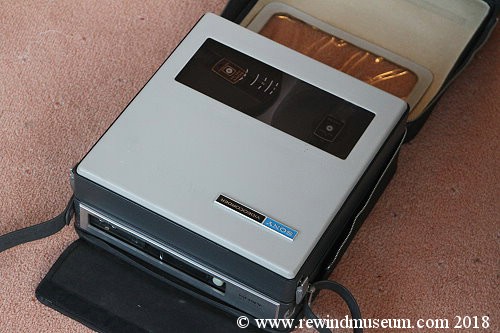
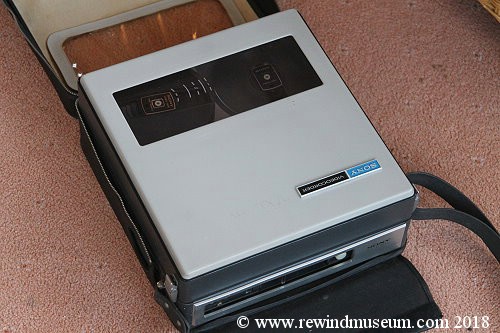
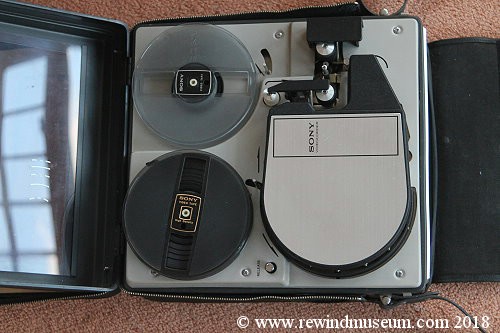
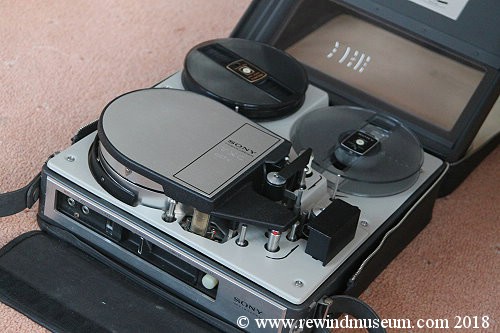
Sony TCV-2010
Sony TCV-2020
Sony CV-2000
Philips EL3400
The Peto Scott E2770
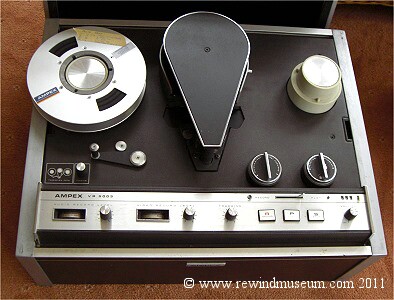
Ampex VR 5003
Sony DV-2400 Shibaden SV707 Sony AV-3400 Akai VT-100 Philips LDL1002 Philips EL3402
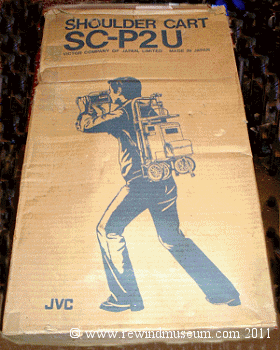
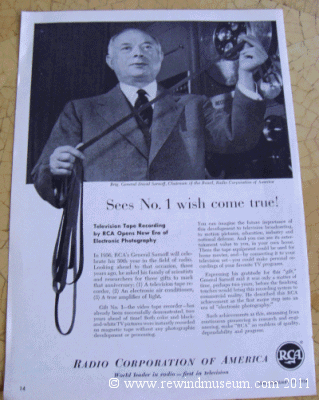
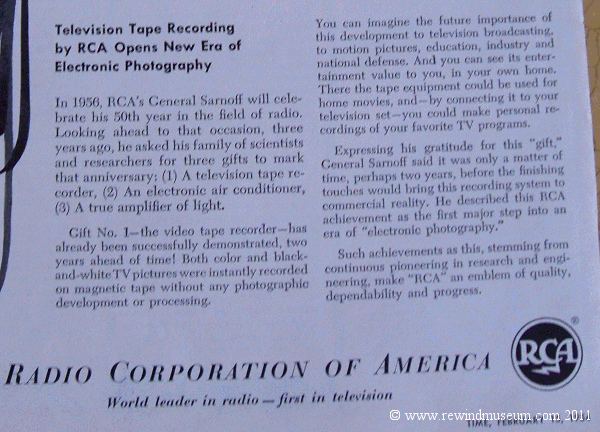
National NV 3030 Shibaden SV- 610E JVC shoulder cart Time magazine
Sony DV-2400 Shibaden SV707 Sony AV-3400 Akai VT-100 Philips LDL1002 Philips EL3402
National NV 3030 Shibaden SV- 610E JVC shoulder cart Time magazine
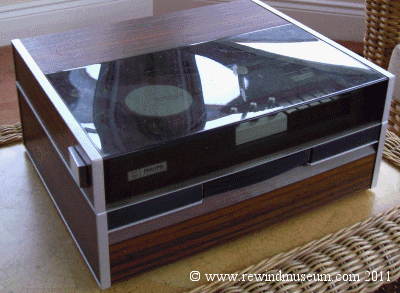
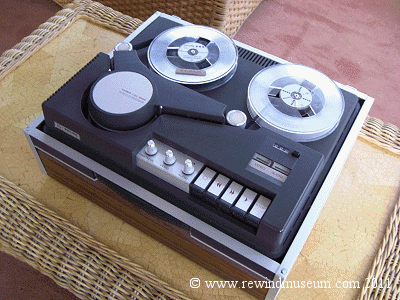
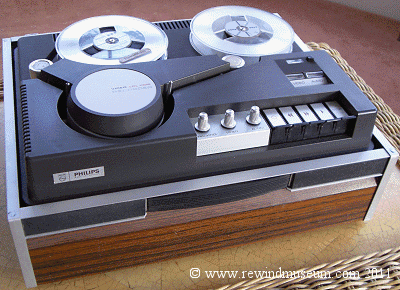
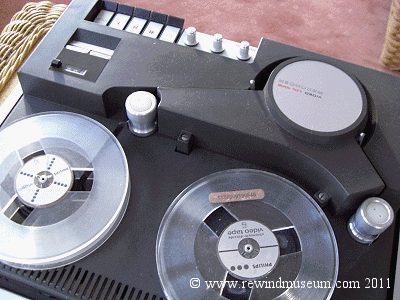
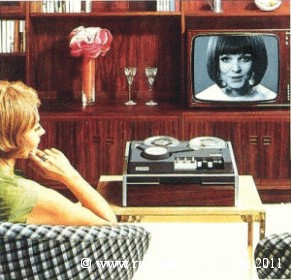
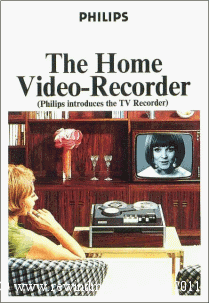
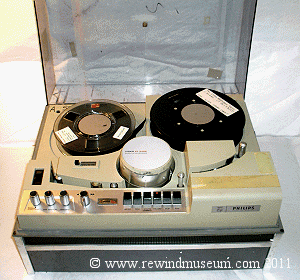
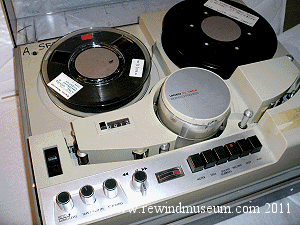
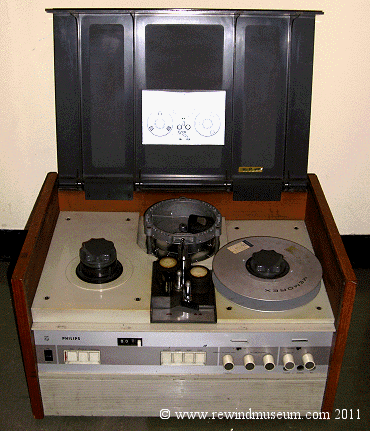
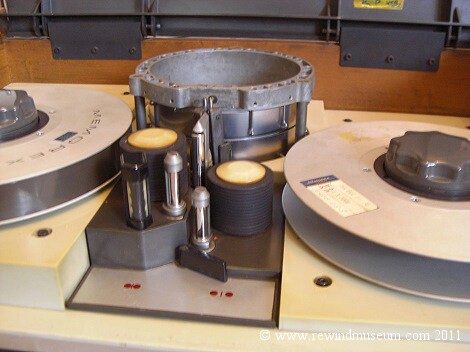
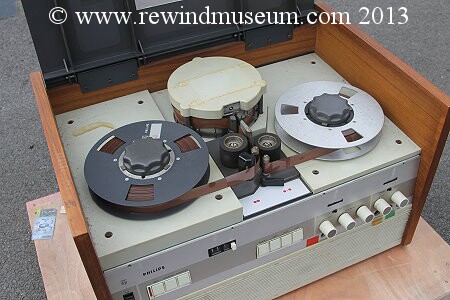
1964. The Philips EL 3400. The worlds 1st 1-inch reel tape,
stand-alone reel to reel domestic video recorder.
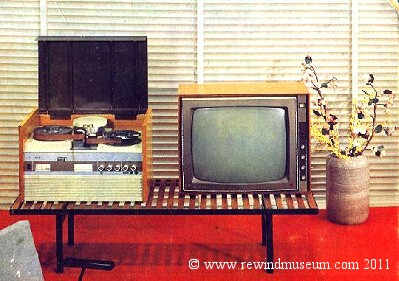
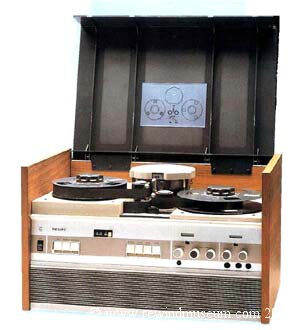
We do now have three of these in the museum, Two Philips EL 3400 and one Peto Scott clone (see below). 405 lines
black and white. Weight 45Kg. 21 valves (tubes). Helical scan recorder. Philips marketing pictures are shown above.
It could be argued that this was the first domestic reel to reel video recorder since the Sony CV-2020 came
out a year later, however, this used 1-inch tape and the Sony was 1/2-inch tape. Therefore it would be correct
to say this was the first domestic reel to reel recorder using 1-inch tape. There was an earlier domestic reel
to reel video recorder from Ampex in 1963, the "Signature V", however, this used 2-inch tape.
Looking at the picture above, it would be interesting to reproduce it. Maybe we can have a table made to the
same design ... then we need some red carpet, some blinds, a plant pot .... maybe this picture could be re-created?
Update May 2011 - We now have the Philips 23TX381A TV from 1963 and shown in the picture above next to the EL 3400.
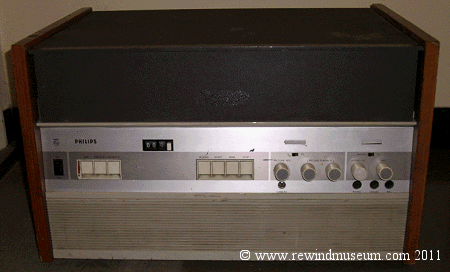
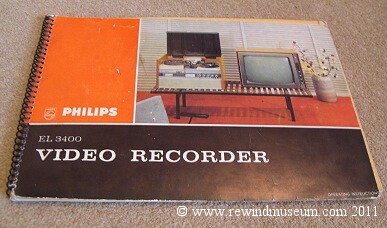
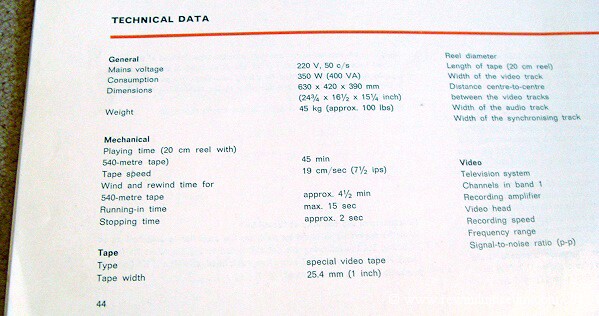
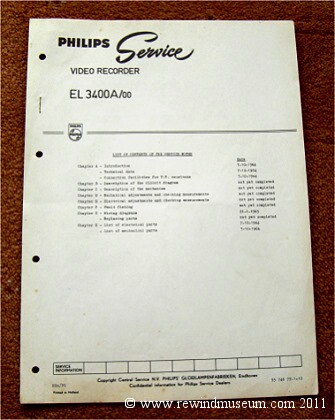
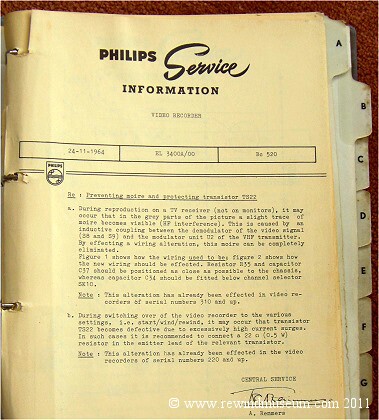
Several manuals are also in the collection from Nov. 1964 and Jan 1965.
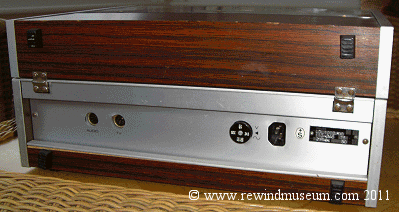
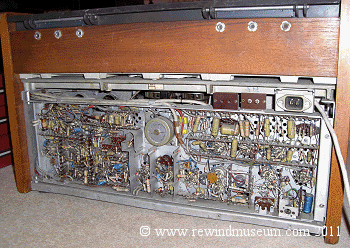
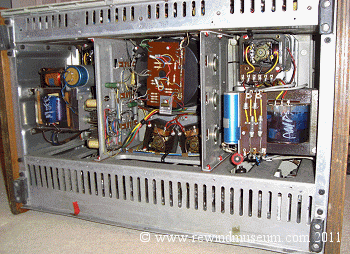
The pictures below show the back removed on the left and the bottom removed on the right.
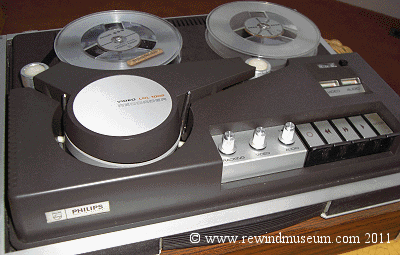
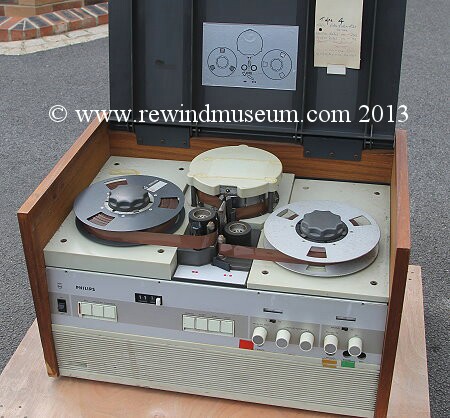
1964. The Peto Scott E2770. The worlds 1st 1-inch reel to reel tape,
stand-alone domestic video recorder. (EL3400 clone)
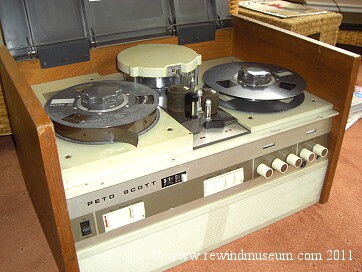
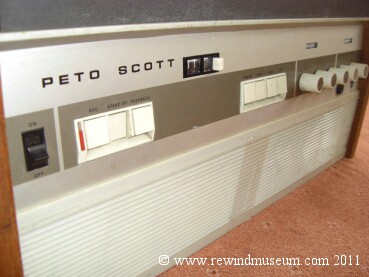
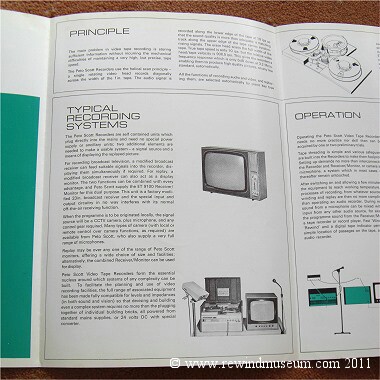
1-inch reel to reel video tape recorder. The first ever stand-alone domestic video recorder. We are very pleased
to have both versions of the Philips EL3400 in the museum. This one was supplied to Pete Scott and was clearly
the Peto Scott clone of the Philips unit. The Peto Scott version was primarily aimed at education and found itself
mainly in schools and colleges. It was not exactly the same as the EL3400 as the sockets on the front and back
were different. For example the DIN socket on the front was replaced by a 1/4 inch jack. This was inline with
educational requirements for a type of common connector widely used in schools. In contains 21 valves (tubes)
and weighs 45Kg. Best if 2 people carry it!
stand-alone reel to reel domestic video recorder.
We do now have three of these in the museum, Two Philips EL 3400 and one Peto Scott clone (see below). 405 lines
black and white. Weight 45Kg. 21 valves (tubes). Helical scan recorder. Philips marketing pictures are shown above.
It could be argued that this was the first domestic reel to reel video recorder since the Sony CV-2020 came
out a year later, however, this used 1-inch tape and the Sony was 1/2-inch tape. Therefore it would be correct
to say this was the first domestic reel to reel recorder using 1-inch tape. There was an earlier domestic reel
to reel video recorder from Ampex in 1963, the "Signature V", however, this used 2-inch tape.
Looking at the picture above, it would be interesting to reproduce it. Maybe we can have a table made to the
same design ... then we need some red carpet, some blinds, a plant pot .... maybe this picture could be re-created?
Update May 2011 - We now have the Philips 23TX381A TV from 1963 and shown in the picture above next to the EL 3400.
Several manuals are also in the collection from Nov. 1964 and Jan 1965.
The pictures below show the back removed on the left and the bottom removed on the right.
1964. The Peto Scott E2770. The worlds 1st 1-inch reel to reel tape,
stand-alone domestic video recorder. (EL3400 clone)
1-inch reel to reel video tape recorder. The first ever stand-alone domestic video recorder. We are very pleased
to have both versions of the Philips EL3400 in the museum. This one was supplied to Pete Scott and was clearly
the Peto Scott clone of the Philips unit. The Peto Scott version was primarily aimed at education and found itself
mainly in schools and colleges. It was not exactly the same as the EL3400 as the sockets on the front and back
were different. For example the DIN socket on the front was replaced by a 1/4 inch jack. This was inline with
educational requirements for a type of common connector widely used in schools. In contains 21 valves (tubes)
and weighs 45Kg. Best if 2 people carry it!
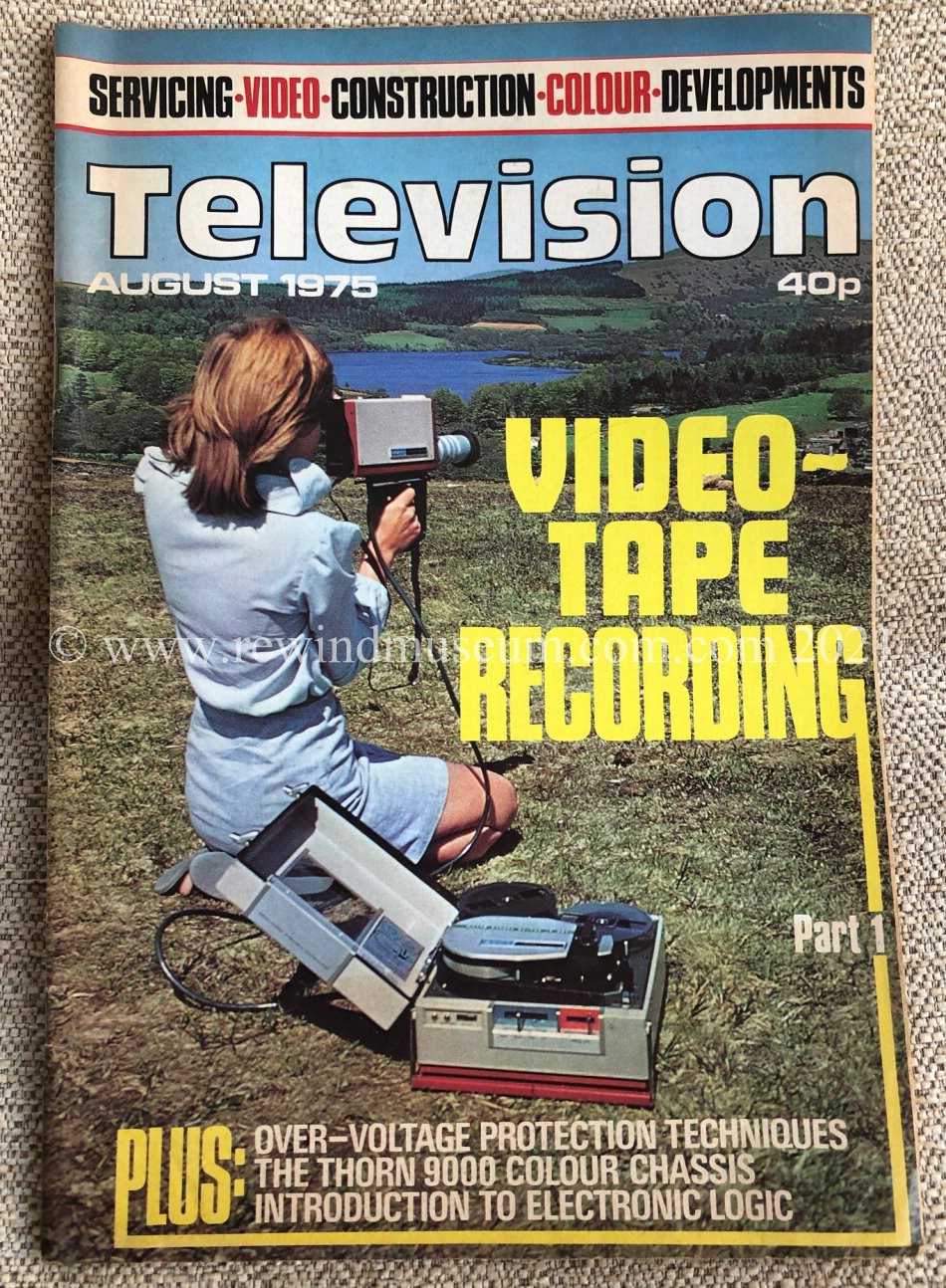
Practical Television magazine. February 1967.
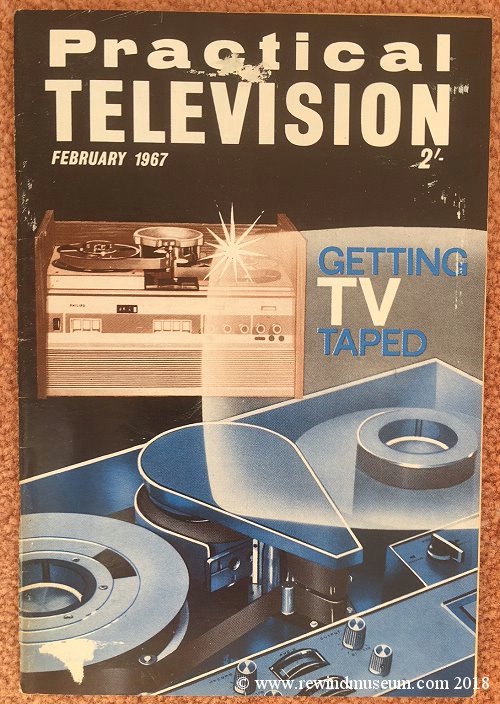
This is a very interesting Practical Television magazine as it includes a feature on "Getting TV Taped".
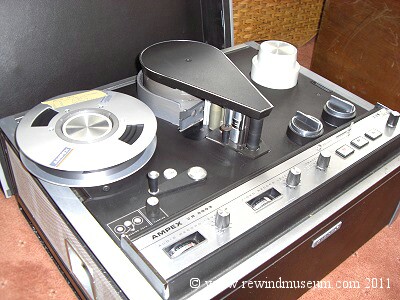
You can see on the front cover a Philips EL3400 and also what looks like an Ampex reel to reel similar to the VR5003.
See this magazine in much more detail on our vintage publications pages.
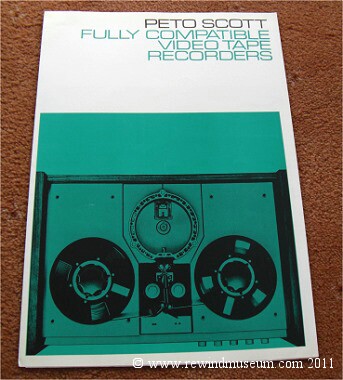
Update 2020 This Pet-Scott brochure and letter from 1936 has been donated.
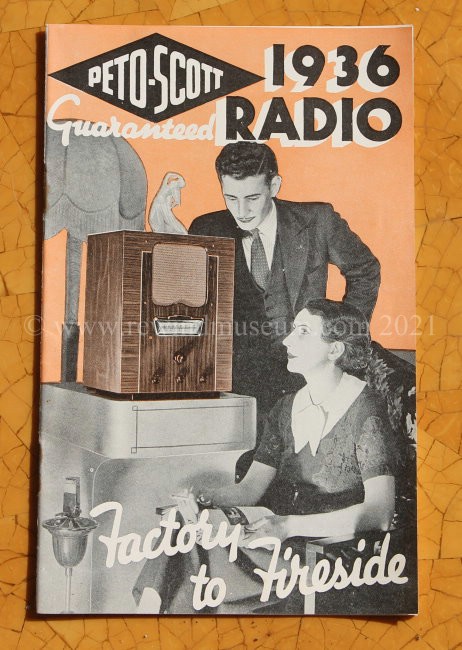
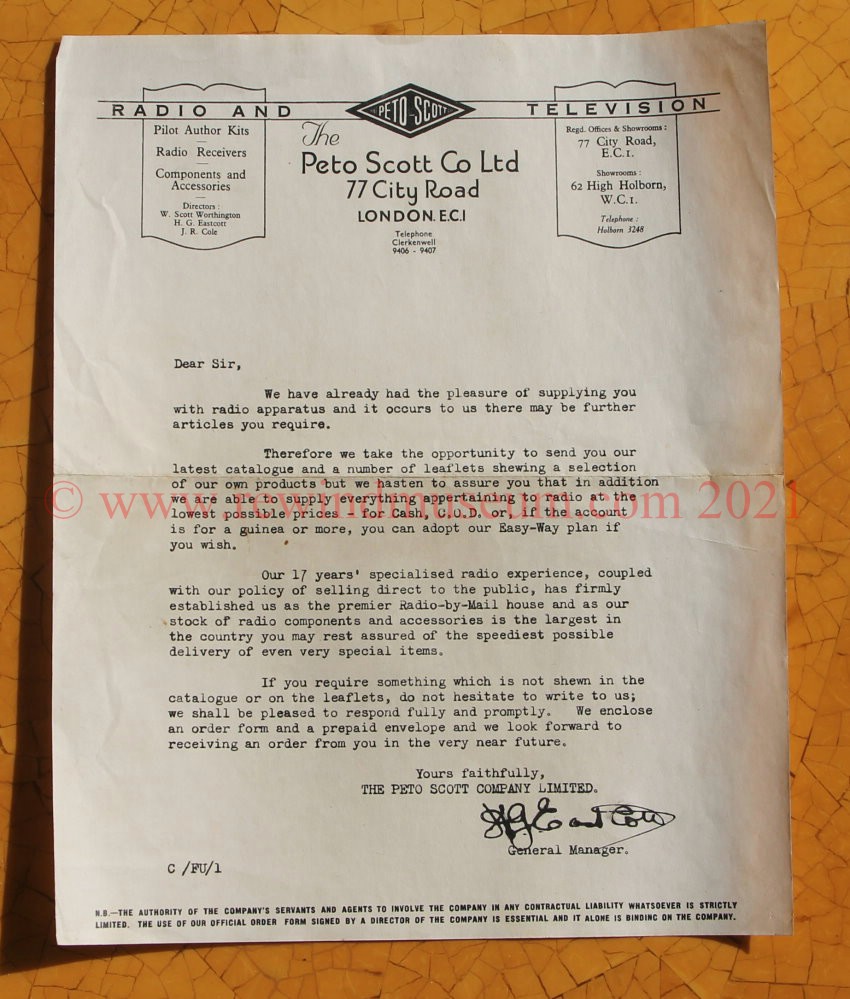
The complete manual and this letter is shown on the "Old Radio Publications Page".
This is a very interesting Practical Television magazine as it includes a feature on "Getting TV Taped".
You can see on the front cover a Philips EL3400 and also what looks like an Ampex reel to reel similar to the VR5003.
See this magazine in much more detail on our vintage publications pages.
Update 2020 This Pet-Scott brochure and letter from 1936 has been donated.
The complete manual and this letter is shown on the "Old Radio Publications Page".

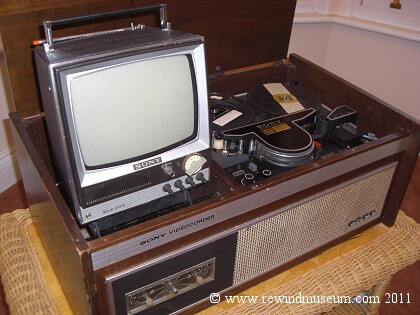
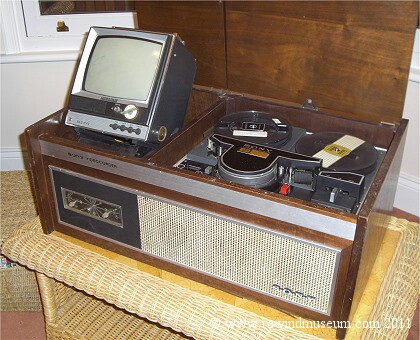
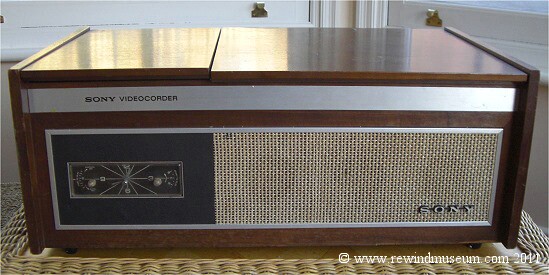
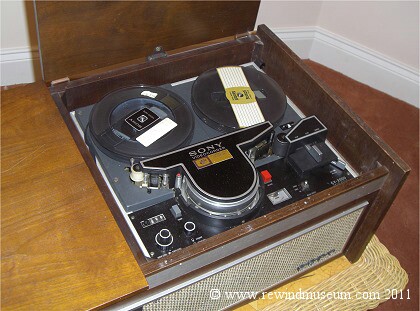
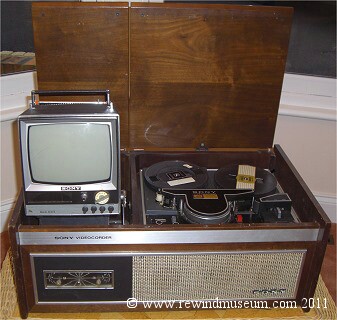
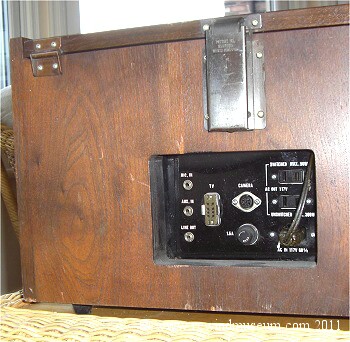
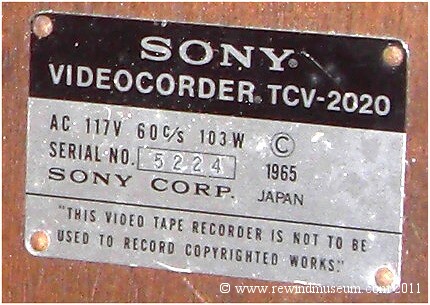
There are 4 various versions of the world’s first 1/2-inch reel to reel tape video recorder. They were all introduced by
Sony at the same time in 1965. The "domestic" TCV-2020 here, and CV-2000D both with wood cabinets, the CV-2000
and the TCV-2010 both with grey cabinets (below). The CV-2000 and CV2000D were just video tape recorders but the
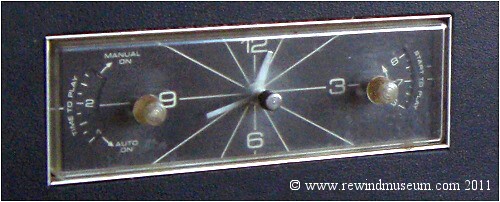
TCV-2010 and this TCV-2020 were combined video recorder, The TVC-2020 here also all in a domestic wooden case. It is
accepted that the Betamax 1901 was the first betamax recorder in a cabinet with timer and TV and so this TVC-2020
is very similar. The reason for this explanation is that whilst it is often said that the CV-2000D is the first domestic
reel to reel video recorder, the same can be said of the TCV-2020 as it was released at the same time and was
in a domestic wood cabinet. All of the units mentioned were the first 1/2-inch video tape recorders. The earlier
domestic reel to reel recorder from Philips, the EL-3400 from 1964 used 1-inch tape. This made them very large and
heavy. The CV-2000 and TCV 2010 in grey cabinets would have been used in schools colleges, universities and business.
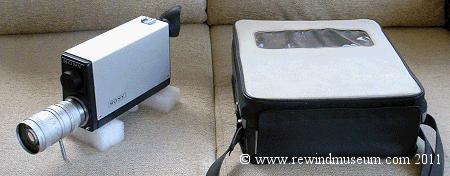
This Sony TCV-2020 VTR, is therefore a very important, historic unit from 1965. The matching camera was the CVC-2000
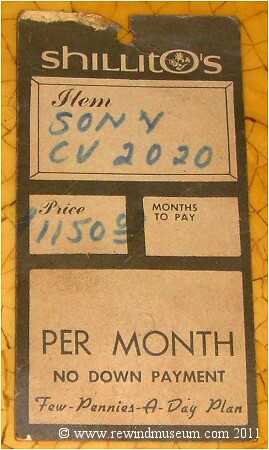
The price tage below was found in the tcv-2020 under the TV. It shows a price of $1150.00 was paid. The unit sold
for around $1400.00 dollars in 1965 including the CVC-2000 camera. Whether this unit was purchased with the camera
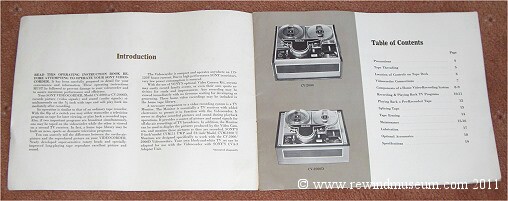
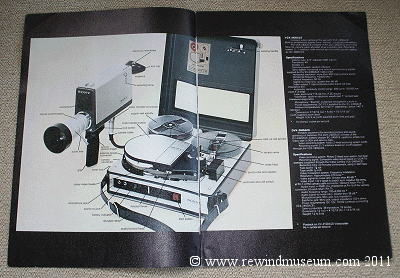
is not known. The adverts show the TCV-2010 Videocorder, the TCV-2020 Videocorder and the CVC-2000 camera.
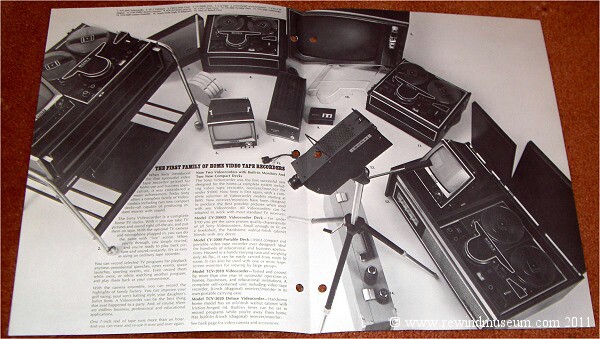
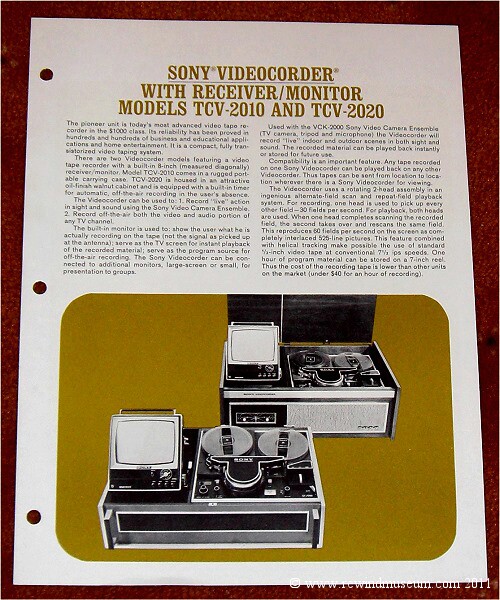
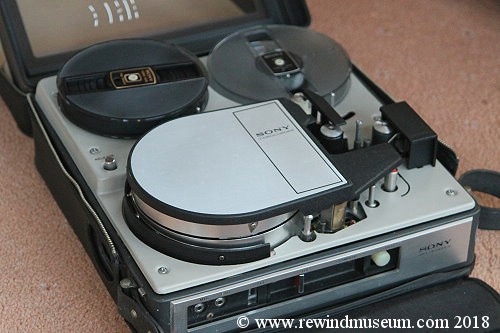
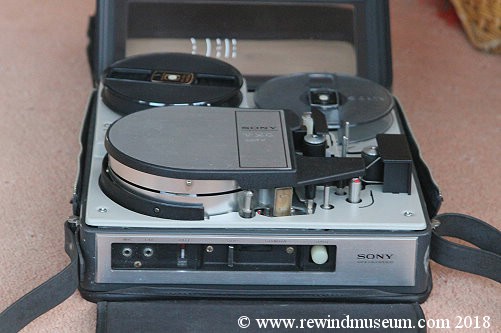
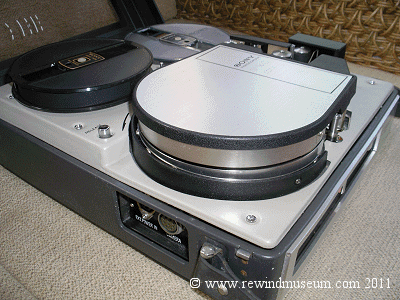
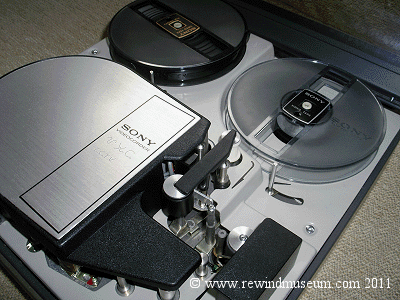
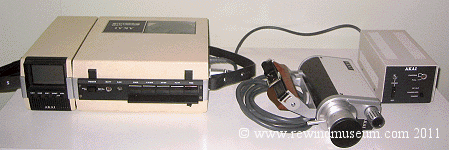
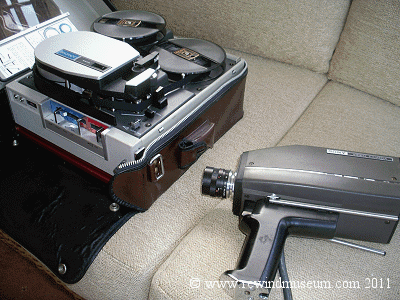
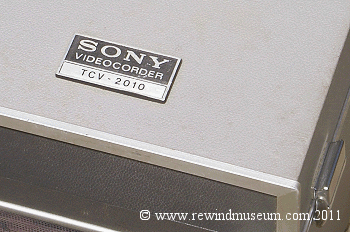
1965. The Sony TCV-2010. The worlds 1st domestic video recorder.
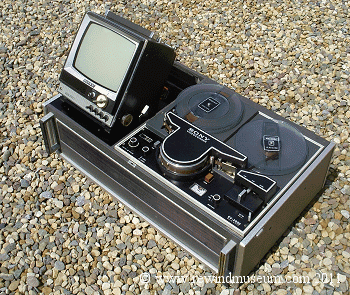
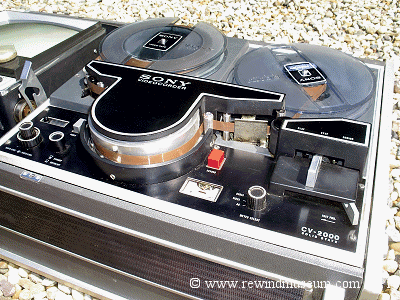
Wherever you go or whoever you ask, the Sony CV-2000 is proclaimed as the first domestic video recorder.
To be a little more specific, it is the first domestic video recorder that uses the more compact 1/2-inch
tape systems. Earlier attempts at a domestic recorder used the 1-inch format and were much larger and heavier.
This unit was similar in size to the audio reel to reel machines of the day. It was available in 4 versions.
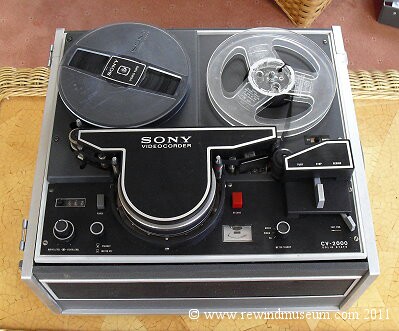
The CV-2000D with a wood surround, The CV-2000 in a grey case with lid for greater protection and portability.
The TCV-2010 (here) which was a larger unit containing a CV-2000 and a 9-inch monitor that tilted upwards
and a TCV-2020 (below) which also used a larger case, in wood, with monitor but also included a timer.
We are delighted to have a TCV-2010 and a TCV-2020 (see below).
It is probable that the CV-2000 and TCV-2020 found their way into schools and colleges as they were
in stronger cases for storing and deploying regularly whereas the wood surround units are likely to
remain stationary in a domestic setting. That being said some grey cabinet units would find
themelves in the home as in those days "getting out the tape recorder to use it" was a common
activity. In contrast today home entertainment systems tend to be permanently in the living room.
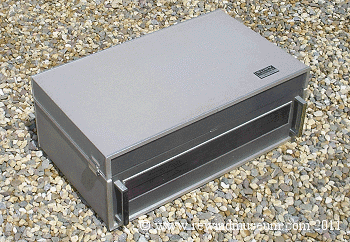
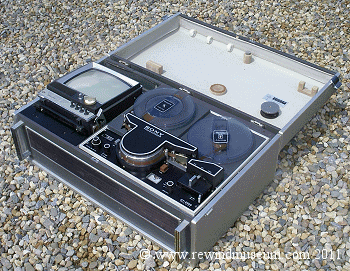
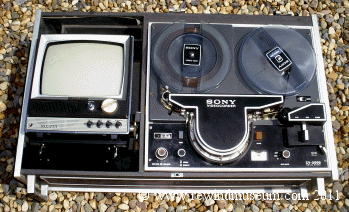
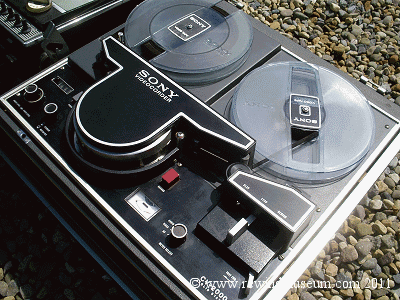
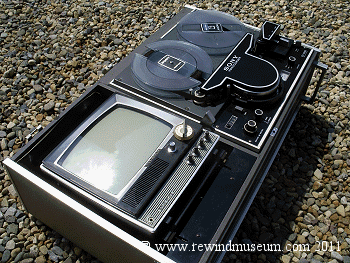
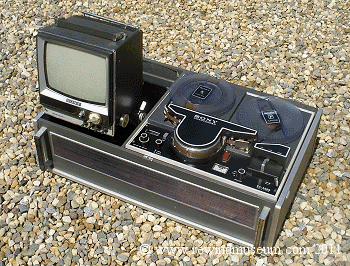
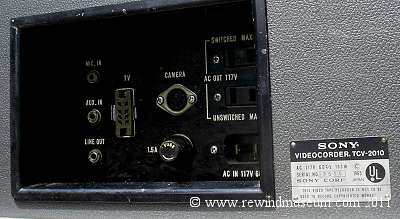
The CV-2000 was made in small numbers and is quite rare. These are probably the most important video recorders
in the museum. There is a fair amount of information about the CV-2000 on the Internet but few museums actually
have one. We are very pleased to finally have two of these units from 1965. There are also some interesting
brochures and manuals (below).
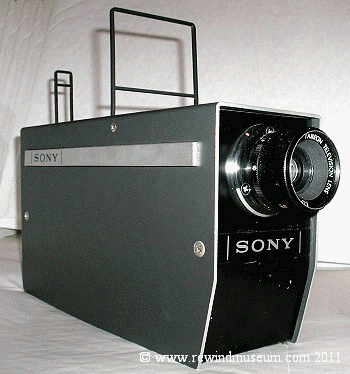
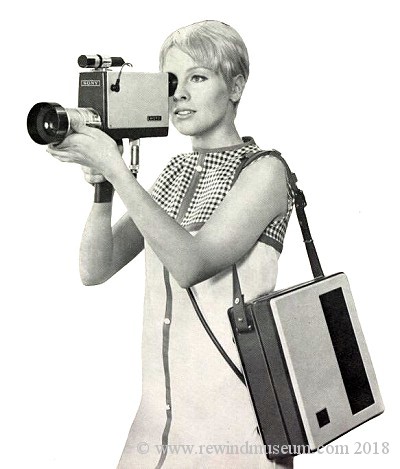
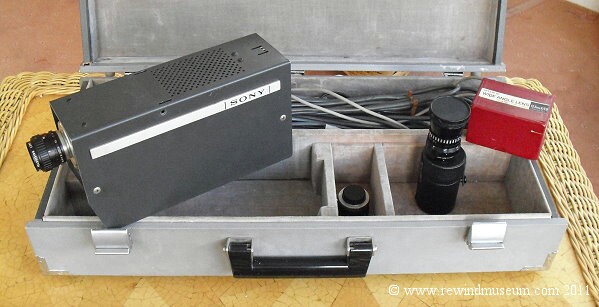
The Sony CVC-2000 camera on our vintage video cameras page is the camera that was
supplied with the CV-2000 video recorder making a complete set of equipment.
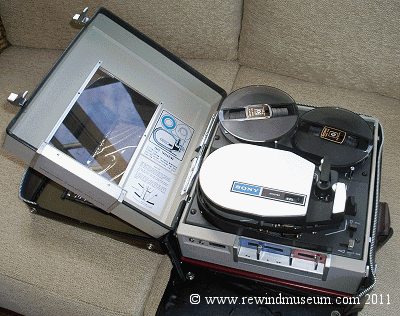
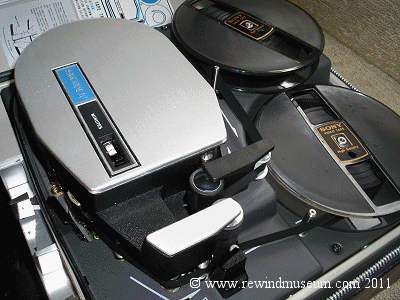
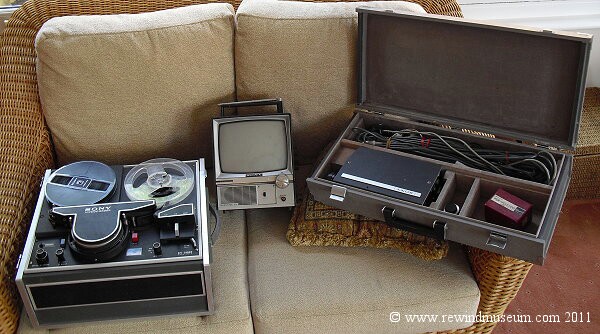
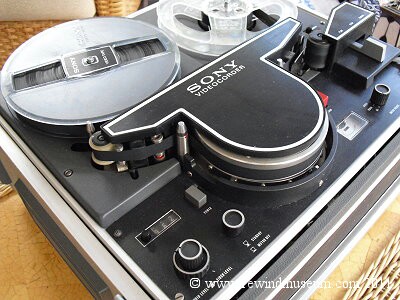
1965. The Sony CV-2000D/CV-2000. The worlds 1st domestic video recorder.
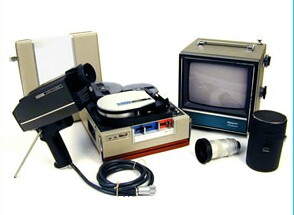
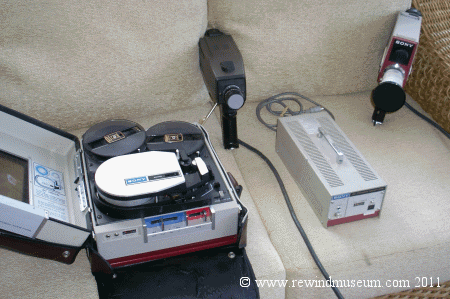
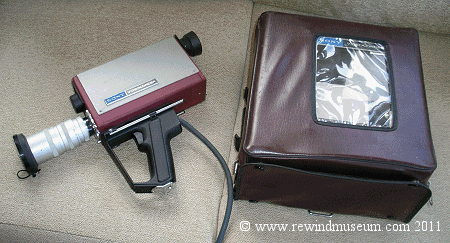
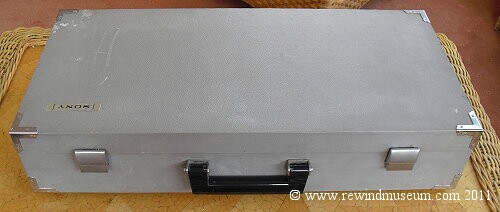
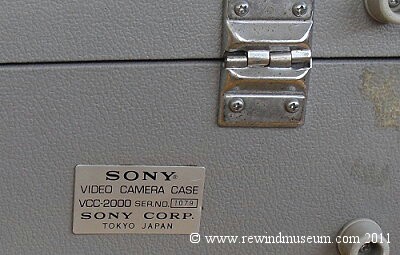
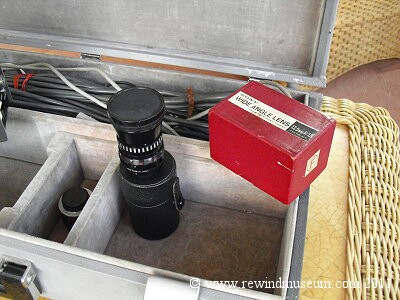
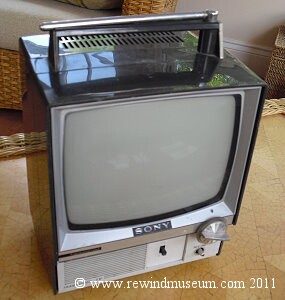
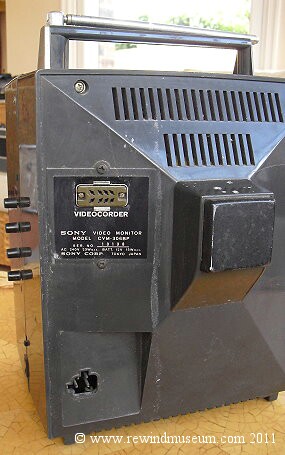
In the pictures below you can see a stand-alone CV-2000 video recorder, the cvc-2000 camera, which part of
the complete vcc-2000 camera kit with extra lenses, connection leads and the cvm-306bp monitor.
The CV-2000D had a wood cabinet and the CV-2000 had a grey cabinet.
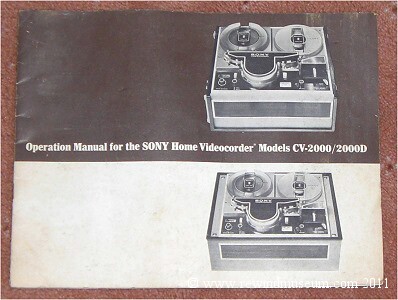
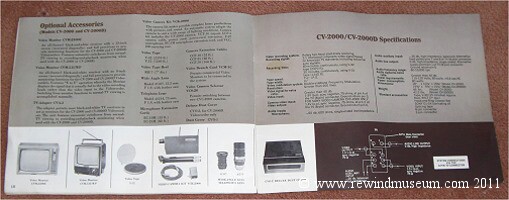
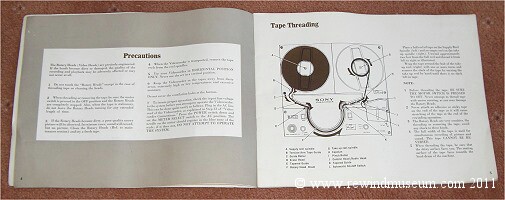
1965. The Sony CV-2000 / CV-2000D owners manual.